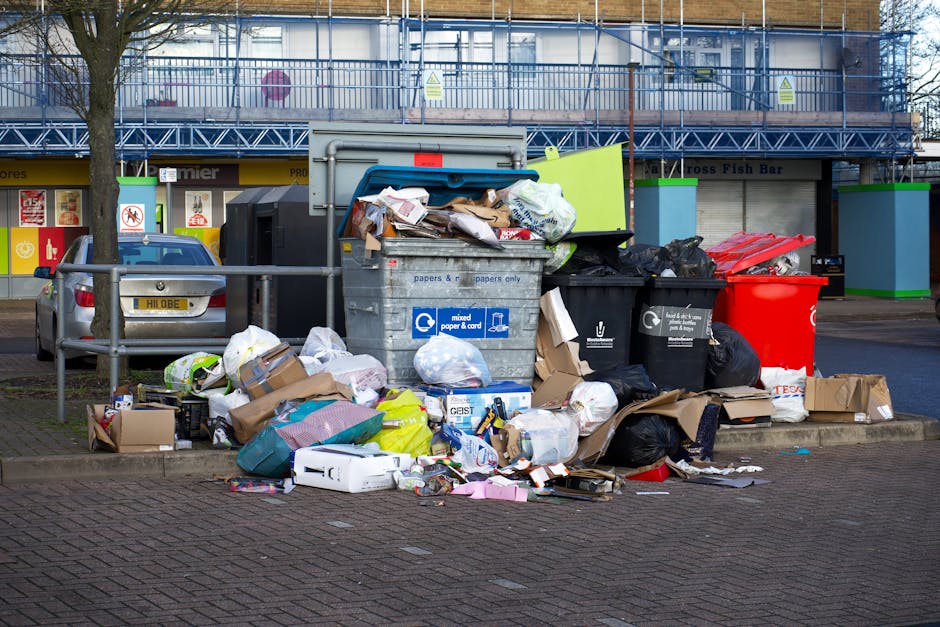
Drayton Park stair access rubbish removal solutions for N5 flats
Getting bulky rubbish out of a flat near Drayton Park is rarely as simple as it sounds. Narrow stairwells, awkward landings, shared entrances, and the usual London time pressure can turn a quick clear-out into a bit of a faff. That is exactly why Drayton Park stair access rubbish removal solutions for N5 flats matter: they are designed for properties where lifts are missing, access is tight, and getting waste down the stairs safely takes planning.
Whether you are clearing a flat after tenants move out, shifting old furniture, or just trying to reclaim a hallway that has become a storage zone, the right approach saves time, protects the building, and makes the whole job feel manageable. Below, we will walk through how stair-access rubbish removal works, what to expect, where problems usually crop up, and how to choose a sensible service without overcomplicating it. Truth be told, most people just want the stuff gone without damaging a banister or spending their Saturday wrestling a wardrobe downstairs.
Table of Contents
- Why Drayton Park stair access rubbish removal solutions for N5 flats Matters
- How Drayton Park stair access rubbish removal solutions for N5 flats Works
- Key Benefits and Practical Advantages
- Who This Is For and When It Makes Sense
- Step-by-Step Guidance
- Expert Tips for Better Results
- Common Mistakes to Avoid
- Tools, Resources and Recommendations
- Law, Compliance, Standards, or Best Practice
- Options, Methods, or Comparison Table
- Case Study or Real-World Example
- Practical Checklist
- Conclusion
- Frequently Asked Questions
Why Drayton Park stair access rubbish removal solutions for N5 flats Matters
Stair access changes everything. In a flat with a lift, bulky waste can often be moved quickly and with less risk. In many N5 flats, though, stairways are narrow, bends are tight, and the safest route is not always the shortest one. That means rubbish removal is not just about lifting items; it is about moving them through a shared building without making life harder for neighbours or causing avoidable damage.
Drayton Park sits in a busy London pocket where flats tend to be practical, compact, and often built with access constraints in mind. That creates a very specific set of challenges. Think of a heavy sofa that just will not turn on the landing, broken wardrobes with sharp edges, or a pile of mixed waste that has to be separated before it leaves the property. If you have ever tried to carry a chest of drawers down a tight staircase, you already know the feeling. No drama, just hard work and a bit of geometry.
It also matters because waste in shared blocks can become a neighbour issue quickly. Bags left in corridors, items blocking stairwells, and improvised dumping near entrances can create friction and, in some cases, safety concerns. A proper stair-access clearance keeps things orderly. That is good for the building, good for the residents, and frankly good for your own sanity.
How Drayton Park stair access rubbish removal solutions for N5 flats Works
The basic process is straightforward, but the detail matters. A decent stair-access rubbish removal job usually starts with understanding the layout of the flat and the building. Where is the main exit? Are there multiple flights? How wide are the stairs? Is there a communal hallway, a buzzer entry system, or limited parking nearby? Small things, but they shape the whole job.
Once access is understood, the team plans the load-out. That may mean breaking down furniture first, carrying items in a specific order, using protective equipment on corners and bannisters, and making sure the route stays clear. In some cases, the waste is sorted on-site so that reusable materials, recyclable items, and general rubbish are handled properly. For flats near Drayton Park, this planning step is often what makes the difference between a smooth collection and a sweaty, awkward mess by the second floor.
Good stair-access removal is also about timing. If a building gets busy in the morning, it may be better to arrange collection later in the day or when foot traffic is lighter. You may not think two minutes matters, but in a narrow stairwell it really does. One person coming down with a mattress while another is heading up with shopping can stall everything.
For larger clearances, the process may be paired with broader flat clearance or household clearance work, especially if the flat contains mixed items rather than just loose rubbish. Services such as flat clearance and home clearance can be useful when a stair-access job needs a more complete clean-out rather than a one-off bag collection.
Key Benefits and Practical Advantages
The biggest benefit is obvious: you do not have to do the heavy lifting yourself. But there is a bit more to it than that. Stair-access removal is about reducing stress, protecting the building, and getting a result that feels finished rather than half-done.
- Safer handling: Heavy items are moved by people who know how to manage awkward loads on stairs.
- Less risk of damage: Walls, paintwork, bannisters, and flooring are less likely to get scuffed or chipped.
- Faster clearance: With the right planning, a flat can be cleared far more efficiently than if you try to do it in stages yourself.
- Better for shared buildings: Neighbours are less likely to be inconvenienced by cluttered hallways or blocked exits.
- Cleaner outcome: Waste is removed in one coordinated visit rather than lingering in the flat for days.
There is also a quiet advantage people do not always think about: momentum. Once you see the stairwell clear, the flat starts to feel manageable again. That small psychological shift is useful, especially if you are dealing with a move, a tenancy change, or a room that has simply got out of hand. Let's face it, clutter can grow very quickly when you are busy.
If you are comparing broader waste support options, it can help to look at general waste removal alongside more specific services like furniture disposal or mattress and sofa disposal. That way, you are not trying to force everything into one box when the job clearly has different parts.
Who This Is For and When It Makes Sense
Stair access rubbish removal is a good fit for anyone in an N5 flat who has items that are too bulky, too awkward, or too numerous to shift safely alone. It is especially useful if you live or work in a building with no lift, limited communal space, or strict rules about moving waste through shared areas.
Typical situations include:
- End-of-tenancy clear-outs where leftover items need to be removed quickly
- Pre-sale or pre-let flat preparation
- Moving house and getting rid of unwanted furniture before the move
- Clearing a spare room, loft storage, or overflow items from a balcony or hallway
- Removing old appliances, mattresses, or broken furniture from upper floors
- Clearing accumulated waste after a renovation or redecorating job
It also makes sense for landlords, letting agents, and managing agents who need a reliable way to restore a flat between occupants. A vacant flat with rubbish left on stair landings or in communal areas can look neglected very quickly. If you manage a building, you probably know the value of a fast, tidy turnaround. Nobody wants the "we'll deal with it later" pile becoming a resident complaint.
For businesses operating from converted flats or small offices in the area, the same logic applies. Mixed-use buildings can be especially awkward. In those cases, office-related or business waste support such as office clearance or business waste removal may be more suitable than a basic household collection.
Step-by-Step Guidance
If you are arranging stair-access rubbish removal in Drayton Park, a bit of preparation goes a long way. Here is the process in plain English.
- List what needs to go. Separate furniture, general rubbish, electrical items, and anything that may need special handling.
- Check access. Measure or at least assess stair width, landings, low ceilings, and door swings if you can. Even rough notes help.
- Clear the route. Move shoes, bikes, plant pots, prams, and anything else that could snag a carry route.
- Think about timing. Choose a slot when neighbours are less likely to be coming and going, if possible.
- Confirm item type. Make sure any heavy appliance, mattress, or mixed waste is identified correctly so the team arrives ready.
- Ask about loading and sorting. Some items can be dismantled on-site, which makes stair removal much easier.
- Plan for final sweep-up. Once the waste is gone, a quick check for dust, screws, or broken bits helps finish the job properly.
Simple, really. But simple is not the same as careless. A bit of prep saves a lot of effort on the day. You will notice the difference immediately if a bulky item has to be carried around two turns in a narrow stairwell. One wrong angle and everything slows down.
If the flat contains mixed clutter rather than just rubbish, it can help to combine staircase access planning with broader decluttering services such as house clearance, loft clearance, or garage clearance depending on where the items are stored. A good plan beats three rushed trips, every time.
Expert Tips for Better Results
After enough clearances, a few patterns become obvious. The jobs that run smoothly usually share the same habits.
First, do not underestimate awkward furniture. A compact-looking wardrobe can be harder to remove than a larger item if it catches on corners. If possible, dismantle before moving. It is rarely glamorous work, but it can save a lot of bother.
Second, protect the route. Blankets, corner guards, or simple protective wrapping can reduce scuffs, especially on older staircases where paintwork marks easily. Shared hallways often show every nick. That is just the way it is.
Third, separate tricky waste early. Electricals, appliances, and any potentially hazardous material should not be left until the end. Handling them properly from the start avoids delays and awkward surprises.
Fourth, communicate clearly with neighbours or building contacts. If the stairwell is shared, a quick heads-up can prevent conflict. Not always necessary, but often helpful.
Fifth, choose one service that can deal with more than one waste type if needed. For example, if you have a broken fridge, a sofa, and mixed bagged waste, a combined approach is more efficient than arranging separate pickups. Related services like fridge and appliance removal and furniture clearance can be part of the bigger picture.
Expert summary: The best stair-access rubbish removal is not about brute force. It is about route planning, item prep, and careful handling. That is what keeps N5 flat clearances clean, quick, and low-stress.
Common Mistakes to Avoid
Most problems come from trying to rush the process or guessing at what the job actually involves. Here are the ones we see most often.
- Leaving everything until collection day: Sorting on the day slows things down and increases the chance of something being missed.
- Underestimating access: A stairwell that looks "fine" in the morning can become awkward once bulky items start moving.
- Blocking communal areas: Items left in corridors or on landings can create safety issues and annoy neighbours.
- Forgetting about dismantling: If furniture can be broken down safely, do it before the move, not during.
- Mixing general rubbish with specialist waste: Some items require separate treatment, and treating everything the same is not ideal.
- Choosing the cheapest option without checking what is included: A low headline price is no use if the stair access, loading time, or item type changes the quote later.
One small but common oversight: people forget to check where the waste is actually stored in the flat. A pile in a rear room is very different from a pile sitting on the third-floor landing. It sounds obvious, but these details change the work involved.
And yes, stairs have a way of exposing everyone's confidence. A chair that looked light suddenly becomes a stubborn, squeaky little problem halfway down. Happens all the time.
Tools, Resources and Recommendations
For a proper stair-access job, the right tools are not fancy. They are practical.
- Protective blankets or wraps: Useful for doors, bannisters, and large furniture surfaces.
- Straps or carrying aids: Helpful for distributing weight more evenly on stairs.
- Basic dismantling tools: Screwdrivers, Allen keys, and small hand tools often speed up furniture breakdown.
- Heavy-duty sacks or containers: Good for mixed bagged waste that needs to move quickly and cleanly.
- Gloves and sturdy footwear: Basic, but worth saying. Stair work and loose rubbish are not a great mix without them.
- Tape and labels: Handy for marking items that stay, items that go, and anything to be handled carefully.
From a service perspective, it is worth using pages that reflect the kind of job you have, not just the first option you spot. For example, if you need a broader clear-out, house clearance may be more suitable than a single-item collection. If the waste is mostly a renovation by-product, builders waste clearance is often the better fit. Matching the service to the waste saves hassle later.
If you are unsure what type of items you have, a sensible first step is to review the company's policies on safety, pricing, and what can be handled. Pages such as pricing and quotes, insurance and safety, and recycling and sustainability can help you understand how a provider approaches the job.
Law, Compliance, Standards, or Best Practice
For rubbish removal in flats, the main thing is to handle waste responsibly and avoid creating a nuisance or a safety issue in shared areas. In London, people often talk about council rules, recycling expectations, and building management requirements, and while the exact details depend on the property and the waste type, the general principle is simple: do not leave waste where it blocks access, and do not assume every item can go in the same load.
If you are dealing with commercial waste, mixed materials, electrical items, or anything potentially hazardous, it is worth treating the job with extra care. Best practice usually means checking whether items need sorting before collection, ensuring nothing leaks or spills, and confirming that the waste will be handled in line with ordinary UK duty-of-care expectations. That may sound a bit formal, but in everyday terms it just means being sensible with what leaves the flat and how it leaves the building.
For residents in N5, a useful mindset is to keep communal access clear and avoid placing waste in stairwells, fire escape routes, or shared landings. If the building has specific rules, follow them. If not, use common sense and err on the side of caution. It is the boring answer, but usually the right one.
When hazardous or specialist items are involved, do not guess. Services such as hazardous waste disposal exist for a reason, and the same goes for items that require extra handling. Better a short delay than a bigger problem later.
Options, Methods, or Comparison Table
Not every stair-access clearance needs the same method. Here is a simple way to compare common approaches.
| Method | Best for | Pros | Watch-outs |
|---|---|---|---|
| Single-item removal | One bulky item like a sofa or mattress | Simple, quick, usually straightforward | Not ideal if you have several waste types |
| Mixed flat clearance | Multiple items and bagged waste from a flat | Efficient for end-of-tenancy or decluttering | Needs more planning and sorting |
| Furniture-focused clearance | Large furniture, old beds, wardrobes, tables | Great for heavy or awkward items | May still need extra waste handling for smaller debris |
| Full property clearance | Entire flats, rooms, or inherited spaces | Most comprehensive option | Can take longer and cost more depending on contents |
If you are on the fence, ask yourself a simple question: are you removing one problem item, or clearing a whole trail of them? The answer usually makes the choice obvious. For soft furnishings, mattress and sofa disposal is often the neatest route. For leftover household contents, furniture clearance may be the better fit.
Case Study or Real-World Example
A typical Drayton Park scenario goes like this. A tenant moves out of a first-floor flat in N5 and leaves behind a broken bookcase, an old mattress, several bin bags, and a small chest of drawers that will not fit in the lift because there is no lift. The hallway is narrow, the staircase turns sharply at the landing, and the building has a few residents coming and going before work.
The sensible approach is to separate the items first, dismantle the bookcase if possible, and carry the mattress and drawers one at a time with the stair route kept completely clear. The bags are moved last so any loose debris does not get spread around during the heavier work. If the weather is damp, the team protects the route so mud and dust are not tracked through the entrance. By the time it is finished, the flat looks ready for cleaning, the stairwell is intact, and no one has had to play the "excuse me, just squeezing past" game ten times.
What makes this kind of job work is not magic. It is simply the right sequence, the right equipment, and enough patience to do the awkward part properly. That is usually the difference between a stressful clear-out and one that feels oddly satisfying.
Practical Checklist
Before your stair-access rubbish removal, run through this quick checklist.
- Identify all items that need removing
- Separate furniture, general waste, and any special items
- Check the stairwell, landings, and entry route
- Clear loose obstacles from the path
- Confirm whether items need dismantling
- Think about timing and neighbour access
- Ask about handling for heavy, fragile, or awkward pieces
- Make sure the flat is ready for a final sweep after collection
- Confirm the service matches the waste type
- Keep important documents, valuables, and personal items aside before the crew arrives
Quick takeaway: the cleaner the route and the clearer the item list, the easier the job becomes. It really is that straightforward.
Conclusion
Drayton Park stair access rubbish removal solutions for N5 flats are about much more than taking bags out of a building. They are about making a difficult access problem feel easy enough to handle, with the least possible disruption to you and the people around you. In a flat with stairs, every detail matters a little more: the size of the item, the shape of the stairwell, the timing, the sorting, and the care taken along the way.
If you approach the job with a clear plan, you avoid the usual headaches and get a result that feels proper, not patched together. That means safer handling, less mess, less stress, and a building that still feels like a building rather than a temporary storage corridor.
When you are ready to move from "this needs sorting" to "right, let's get it done," the best next step is to choose a service that understands stair access, flat layouts, and the practical realities of N5 properties. No fuss. Just a clean, well-managed clearance and a bit of breathing room at last.
Get a free quote today and see how much you can save.
Frequently Asked Questions
What makes stair access rubbish removal different from standard rubbish removal?
Stair access removal is designed for flats and buildings where items must be carried up or down stairs, often through narrow landings or shared entrances. It needs more planning, better handling, and a safer moving route than a straightforward ground-floor pickup.
Can bulky furniture be removed from N5 flats without a lift?
Yes, in many cases it can. The key is checking the staircase width, item size, and whether the furniture should be dismantled first. Sofas, wardrobes, and mattresses are often removed this way, though awkward shapes may need extra care.
Do I need to sort the rubbish before collection?
It helps a lot. Separating furniture, general waste, appliances, and any special items makes the job faster and reduces the chance of confusion on the day. A little prep up front usually saves time later.
How do I know if my flat clearance needs a full clearance or just rubbish removal?
If you are removing a few bulky items or a small pile of waste, a standard rubbish removal may be enough. If the flat contains multiple rooms' worth of contents, mixed clutter, or end-of-tenancy leftovers, a fuller flat clearance is usually more suitable.
Is stair access rubbish removal suitable for landlords and letting agents?
Yes. It is often a practical choice for tenancy turnovers, pre-let preparation, and post-occupancy clear-outs. It helps get the flat back into usable condition without delays caused by awkward access.
Can you remove mattresses and sofas from upper-floor flats?
Usually, yes. These are common stair-access items, although they can be awkward on tight turns. Mattress and sofa disposal services are often used for exactly this kind of job.
What should I do before the team arrives?
Clear the route, set aside valuables, identify all items to be removed, and let the provider know about any difficult access points. If possible, move small obstacles like shoes, bikes, and bins out of the way.
Are electrical items or fridges handled differently?
Often, yes. Appliances and electrical items may require separate handling or specific disposal methods. It is best to mention them early so the collection can be planned properly.
Will the service damage my stairs or walls?
A careful team should use sensible protection and moving methods to reduce the risk of damage. No one can promise a zero-risk outcome in every building, but good planning and the right equipment make a big difference.
How quickly can stair access rubbish removal usually be arranged?
That depends on the provider, the volume of waste, and the access situation. Simple jobs can often be arranged fairly quickly, while larger or more complex flat clearances may need a little more coordination.
What happens if the waste includes hazardous items?
Hazardous items should be identified in advance and handled separately. They should not be mixed in with ordinary household rubbish. If you are unsure, ask before collection rather than assuming it is fine.
Is this a good option for end-of-tenancy clear-outs in Drayton Park?
Yes, very often. End-of-tenancy jobs usually involve mixed items, awkward access, and a need for speed. Stair access rubbish removal is a good fit when a flat needs to be cleared efficiently and left tidy.
Do I need to be present during the removal?
That depends on the arrangement, but it is often useful to be there at the start so you can confirm access, point out any tricky items, and answer questions. After that, many people prefer to step back and let the job run.
What is the best way to keep the cost down?
Prepare the route, separate the items, and be clear about what needs removing. The more precise the job description, the easier it is to quote accurately. A tidy plan is usually cheaper than a last-minute scramble, simple as that.